
News / Science
Avi Loeb: The Missing Shock Wave Is the Puzzle in the F-22 Story
Harvard physicist Avi Loeb says a round object outrunning an F-22 should have produced a shock wave, and that better sensors, not more testimony, will settle cases like this.
By Track the Unknown ·
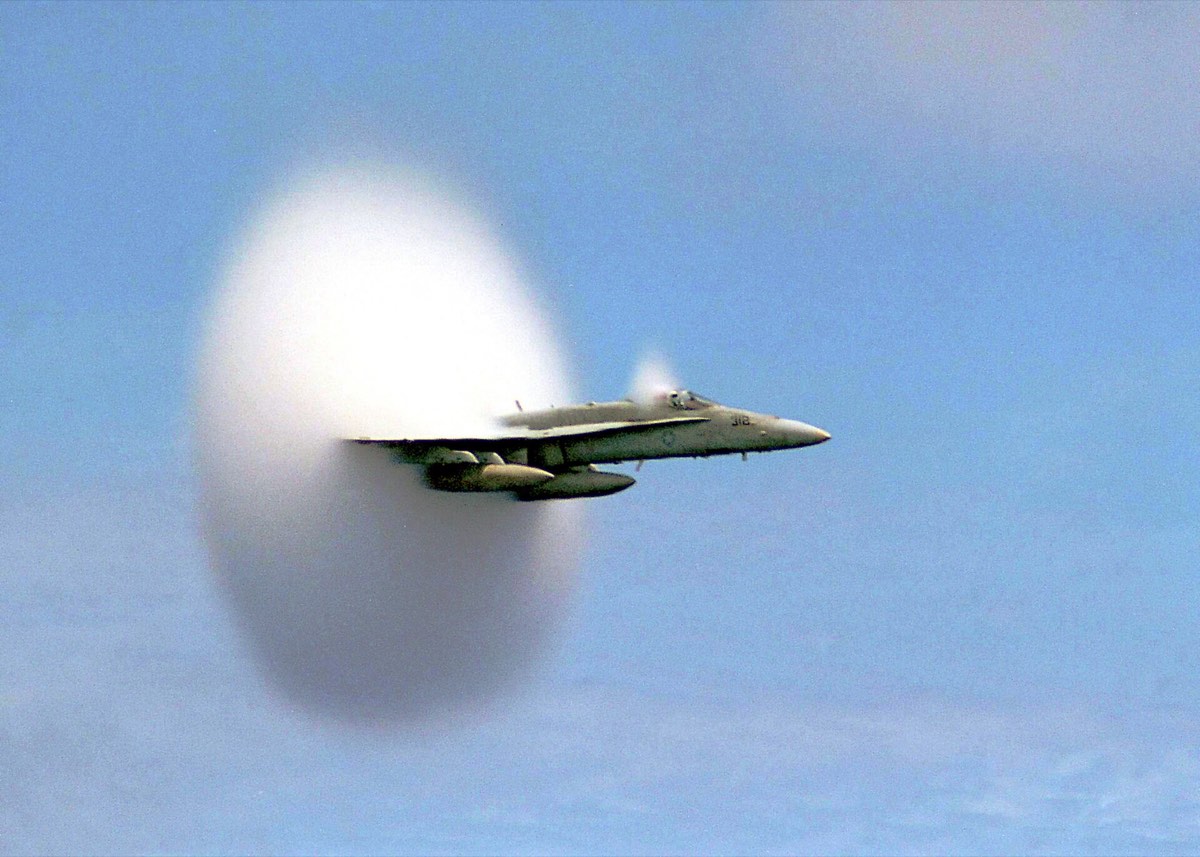

After President Trump's 60 Minutes account of a round object outpacing an F-22, Harvard physicist Avi Loeb was asked on NewsNation's Jesse Weber Live what he made of it.
The physics problem
Loeb's point was not about propulsion. An object travelling faster than sound through air should create a shock wave — a sonic boom — and a round, non-aerodynamic body would also face enormous friction. If no shock wave was observed, he said, something about how the object moves through air isn't understood, on top of how it is propelled. He called it "a work in progress".
He described trained pilots as reliable witnesses who use their best instruments, but said the answer lies in collecting better data: deploying improved sensors where such objects are reported would let researchers work out what they are and what they are made of.
Why it matters
The absence of a sonic boom is one of the most-cited features of high-speed UAP reports, and also one of the strongest reasons for caution. Apparent speed is easy to misjudge when an object's distance is unknown: something small and close can seem to move impossibly fast. Without radar or sensor data giving range, a speed of "three times an F-22" is an estimate, not a measurement.
Loeb is putting his argument into practice with a new Galileo Project observatory in Ithaca, designed to pair radar with a professional telescope.
Sources
Tags: avi loeb, physics, shock wave, f-22, sensors, galileo project, science